Join the Free 7-Week Soil Revival Journey | AfrEcoSoil

Ready to stop fighting your soil and start working with it?

Join our free 7-week Soil Revival Journey and discover how to bring your soil back to life — one simple step at a time.

In South Africa today, most farmers are stuck in a cycle of compaction, rising costs, and tired soil. The old chemical methods are no longer working like they used to.

This free 7-week email program is different. Every week you’ll receive clear, practical guidance based on Soil Fundamentals (Bio 1) to help you understand your soil as a living system and start making real improvements — without overwhelm or jargon.

What You’ll Get Over 7 Weeks

Each Thursday you’ll receive one short, actionable email that includes:

  • A focused lesson from Soil Fundamentals (Bio 1)
  • One simple action step you can do on your farm that week
  • Guidance on using your soil test (printable 4-page PDF) (included free)
  • Real South African farmer examples and tips

Week-by-week you’ll cover:

  • Week 1: The big picture + how the journey works
  • Week 2: The Healthy Soil Profile (the crucial 5%)
  • Week 3: What your weeds are really telling you
  • Week 4: The Soil Food Web – meet your underground workforce
  • Week 5: Active vs Deactivated Soil + root proof
  • Week 6: Natural Composting – your first easy win
  • Week 7: Review + personalised checklist feedback from the AfrEco team

Bonus You Get Immediately

When you join today you’ll also receive:


What Other Farmers Are Saying

“Week 3 already showed me why my weeds were so bad. I’m seeing changes I didn’t expect.” – Pieter, Western Cape

“This journey finally connected the dots. My soil feels alive again.” – Thabo, Free State


Ready to give your soil the upgrade it’s been waiting for?

Join over 1,200 South African farmers who are already on this journey.

No spam. No pressure. Just practical help once a week.
Afrecosoil.co.za

Rebalancing Depleted Soil with DMO: A Practical Guide for Commercial Farmers

How Microbial Technology is Revolutionising Soil Restoration in South Africa

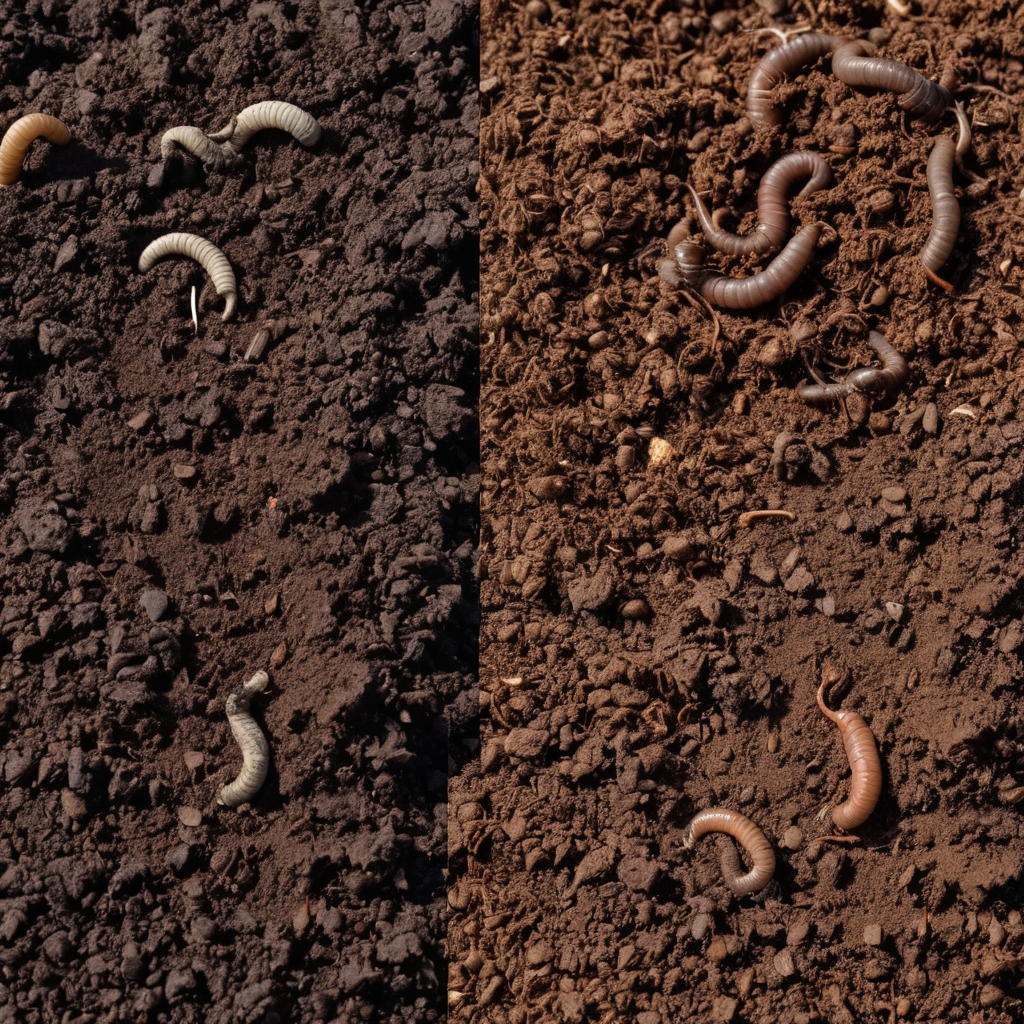
Before and after soil restoration showing depleted soil transformed to healthy soil

After years of intensive chemical agriculture, many South African farmers are facing a sobering reality: their soil is exhausted. Despite increasing fertiliser inputs, yields have plateaued or declined. Water runs off instead of soaking in. Pests and diseases require ever-more chemical intervention. The soil that should be a living asset has become an inert growing medium — expensive to maintain and increasingly unproductive.

The solution isn’t more chemistry. It’s biology.

Enter DMO — a concentrated microbial inoculant technology derived from decades of research into beneficial microorganisms. Unlike chemical fertilisers that attempt to bypass soil biology, DMO works by restoring it, reintroducing the diverse microbial workforce that makes soil fertile, resilient, and self-sustaining.

For commercial farmers looking to transition from depleted dirt to living soil, DMO offers a practical, cost-effective pathway that delivers measurable results within a single growing season.

Understanding Depleted Soil: The Hidden Crisis

Before discussing solutions, let’s diagnose the problem. Depleted soil isn’t just “low in nutrients” — it’s fundamentally broken on a biological level.

The Three Layers of Soil Depletion

1. Chemical Depletion

  • Essential minerals locked in unavailable forms
  • pH imbalances from years of synthetic inputs
  • Salt accumulation creating osmotic stress
  • Organic matter levels below 2%

2. Biological Collapse

  • Mycorrhizal fungi populations decimated
  • Nitrogen-fixing bacteria absent
  • Beneficial protozoa and nematodes eliminated
  • Soil food web disrupted
  • Pathogen populations dominant

3. Structural Degradation

  • Loss of soil aggregation
  • Compaction preventing root penetration
  • Reduced water infiltration and retention
  • Poor aeration creating anaerobic zones
  • Accelerated erosion

This isn’t merely unhealthy soil — it’s soil that has lost its capacity to function as an ecosystem. Chemical fertilisers can’t fix this because the biological machinery needed to cycle those nutrients has been destroyed.

Chemical inputs on dead soil is like pouring premium fuel into an engine with no spark plugs.

What is DMO?

DMO represents a class of concentrated microbial inoculants containing carefully selected communities of beneficial microorganisms. Based on principles pioneered through Japanese microbial technology research, DMO products contain synergistic blends of:

Primary Microbial Groups in DMO

Photosynthetic Bacteria

  • Convert sunlight and soil organic matter into energy
  • Fix atmospheric nitrogen without legumes
  • Produce growth-promoting substances
  • Suppress harmful bacteria through competitive exclusion

Lactic Acid Bacteria

  • Ferment organic matter, making nutrients available
  • Produce organic acids that solubilise minerals
  • Suppress pathogenic organisms
  • Improve soil structure through polysaccharide production

Yeasts and Fungi

  • Break down complex organic compounds
  • Support mycorrhizal network establishment
  • Improve soil aggregation
  • Enhance water retention

Actinomycetes

  • Decompose resistant organic matter
  • Produce antibiotics that suppress soil-borne pathogens
  • Create stable soil humus
  • Improve soil structure

Unlike single-strain inoculants that provide one function, DMO’s microbial consortium works synergistically — each group supporting the others while performing complementary roles in soil restoration.

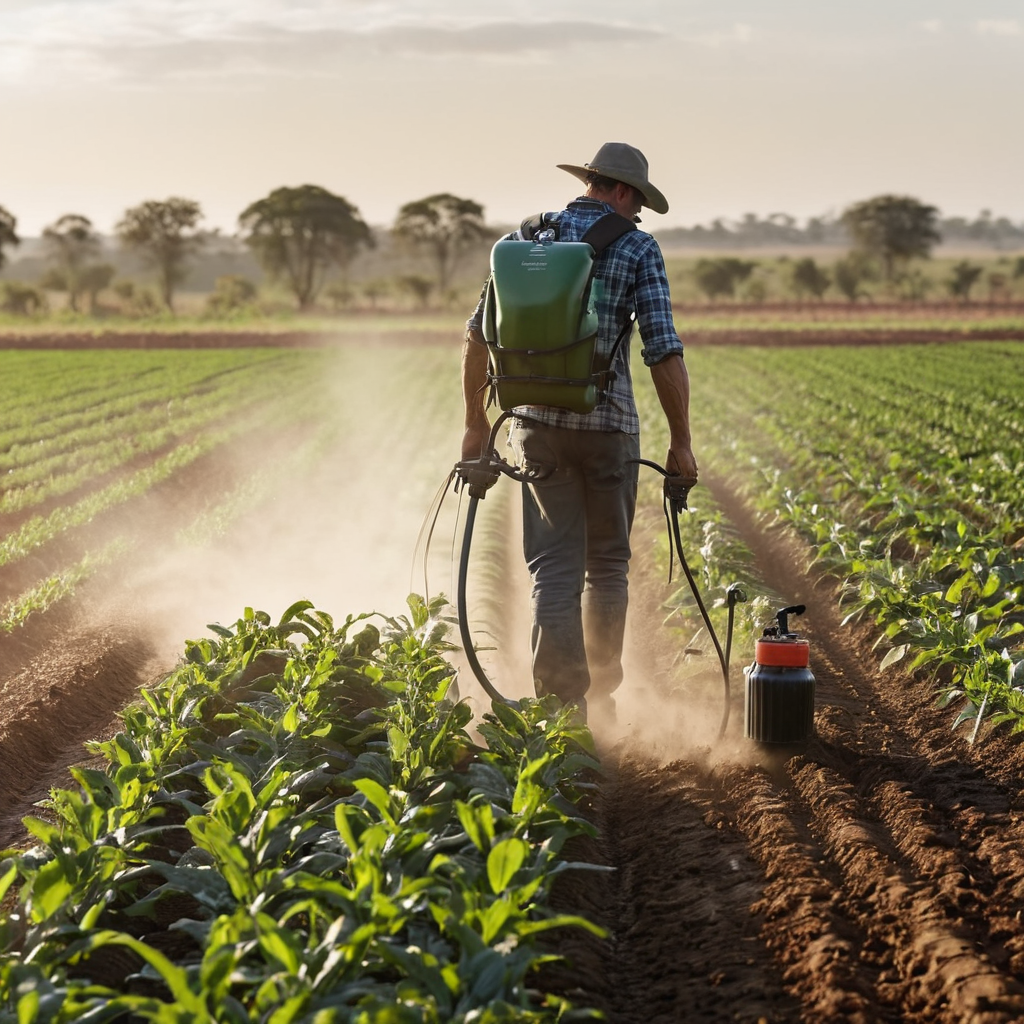
Farmer applying DMO microbial inoculant to soil

How DMO Restores Depleted Soil

DMO doesn’t just add microbes to soil. It creates the conditions for a biological cascade that rebuilds soil function from the ground up.

Phase 1: Immediate Colonisation (Days 1-14)

Upon application, DMO microorganisms immediately begin colonising the rhizosphere — the zone immediately surrounding plant roots. Here they:

  • Outcompete pathogens through rapid population growth and antibiotic production
  • Begin organic matter decomposition, releasing locked-up nutrients
  • Produce polysaccharides that start rebuilding soil structure
  • Establish presence in root zones where plants can feed them

Research published in Frontiers in Microbiology (2023) showed that effective microbial applications increased soil microbial biomass within two weeks, with corresponding improvements in nutrient availability.

Phase 2: Biological Activation (Weeks 2-8)

As DMO populations establish, they begin transforming soil conditions:

Nutrient Cycling Resumes

  • Photosynthetic bacteria fix atmospheric nitrogen
  • Lactic acid bacteria solubilise phosphorus and potassium
  • Decomposition of organic matter releases micronutrients
  • Plants begin reducing dependence on synthetic fertilisers

Soil Structure Improves

  • Microbial polysaccharides bind soil particles into aggregates
  • Improved aggregation creates pore spaces for water and air
  • Compaction layers begin breaking down
  • Water infiltration rates increase by 30-50%

Disease Suppression Activates

  • Beneficial microbes occupy infection sites
  • Antibiotic production inhibits pathogens
  • Plant immune systems strengthen through microbial signalling
  • Chemical fungicide needs decrease

Phase 3: Ecosystem Reestablishment (Months 2-6)

With foundational biology restored, natural soil processes accelerate:

Mycorrhizal Networks Rebuild

  • DMO creates conditions for native mycorrhizal fungi to recolonise
  • Fungal networks extend plant root to reach 100x
  • Drought resistance improves dramatically
  • Phosphorus uptake increases without fertiliser

Soil Food Web Restores

  • Protozoa and nematodes return to graze on bacteria
  • Grazing releases plant-available nitrogen
  • Predatory organisms control pest populations
  • Natural balance reduces input dependency

Organic Matter Accumulates

  • Increased root exudation feeds soil carbon
  • Microbial biomass becomes stable organic matter
  • Each 1% increase in soil organic matter holds 150,000 litres more water per hectare
  • Soil transforms from carbon source to carbon sink

Application Protocol: Using DMO for Maximum Results

Success with DMO requires understanding proper application methods. This isn’t a “spray and pray” product — it’s a biological tool that works when used correctly.

Initial Restoration Application (Severely Depleted Soil)

Timing: Apply 2–4 weeks before planting
Rate: 10–20 litres per hectare (depending on degradation severity)
Method: Soil drench or irrigation injection
Frequency: Monthly applications for first 3 months

Preparation Steps:

  1. Reduce or eliminate synthetic fungicides 2 weeks before application (they kill beneficial microbes)
  2. Minimise tillage to preserve fungal networks as they establish
  3. Ensure soil moisture at 50-60% field capacity (not waterlogged, not dry)
  4. Apply with organic matter if available (compost, manure, cover crop residue)

Application Method:

  • Dilute DMO in non-chlorinated water (chlorine kills microbes)
  • Apply evenly across soil surface or through irrigation
  • Incorporate lightly if possible, or allow rainfall/irrigation to move into soil profile
  • Maintain soil moisture for 48 hours post-application to support colonisation

Maintenance Applications (Established Restoration)

Timing: Seasonal applications (spring and fall)
Rate: 5–10 litres per hectare
Method: Foliar spray or soil drench
Frequency: Every 3–4 months

Foliar Application Benefits

DMO can also be applied directly to plant foliage:

  • Rate: 1-2% solution (1-2 litres per 100 litres water)
  • Timing: Early morning or late afternoon (avoid midday heat)
  • Benefits: Direct pathogen suppression on leaf surfaces, enhanced photosynthesis, improved nutrient uptake
  • Frequency: Every 2-4 weeks during growing season

What to Expect: DMO Restoration Timeline

Farmers using DMO on depleted soil typically see progressive improvements:

Month 1: Early Signs

  • Reduced plant stress within 2–3 weeks
  • Improved seed germination rates
  • Darker green leaf colour (enhanced nutrient uptake)
  • Reduced disease pressure

Month 2-3: Structural Changes

  • Noticeable soil structure improvement
  • Better water infiltration (reduced ponding)
  • Reduced fertiliser requirements (30-50% reduction possible)
  • Decreased pest pressure

Month 4-6: Ecosystem Function

  • Earthworm populations increase
  • Soil aggregation visible (clumping, tilth)
  • Drought tolerance significantly improved
  • Natural predator populations return

Year 2: Transformation

  • 50-70% reduction in synthetic inputs possible
  • Yield stabilisation or increase
  • Input costs significantly reduced
  • Soil tests show organic matter increase

DMO in South African Agriculture

South African farmers face unique challenges that make DMO particularly valuable:

Drought Resilience

With rainfall increasingly unpredictable, DMO’s ability to improve water infiltration and retention is critical. Research indicates that each 1% increase in soil organic matter — which DMO accelerates — holds an additional 150,000 litres of water per hectare.

Input Cost Reduction

With fertiliser prices volatile and often unaffordable, DMO offers a pathway to reduce dependency. Farmers report 30-50% fertiliser reductions in year one, with potential for 70%+ reductions by year three.

Pest Pressure Management

South African crops face intense pest pressure. DMO enhances natural biological control, reducing pesticide needs while avoiding resistance development.

Soil Regeneration Timeline

Unlike natural restoration that can take decades, DMO accelerates soil recovery to 2-3 years for severely depleted soils — a commercially viable timeline.

Integration with Regenerative Practices

DMO works best as part of a comprehensive soil restoration program:

Supporting Practices

Cover Cropping

  • Living roots feed DMO microbes continuously
  • Different plant species support diverse microbial communities
  • Green manure provides organic matter for decomposition

Reduced Tillage

  • Preserves fungal networks DMO establishes
  • Maintains soil structure improvements
  • Reduces oxidation of soil organic matter

Organic Matter Addition

  • Compost or manure provides food for DMO microbes
  • Creates habitat for soil biology
  • Accelerates carbon sequestration

Crop Rotation

  • Diverse root exudates support diverse microbiome
  • Breaks pest and disease cycles
  • Reduces nutrient mining

Economic Considerations

Investment

  • DMO application cost: approximately R800-R1,500 per hectare annually (depending on rates)
  • Combined with reduced synthetic inputs, often cost-neutral in year one

Returns

  • Fertiliser cost savings: 30-50% year one, 50-70% by year three
  • Reduced pesticide costs: 20-40% reduction typical
  • Yield stabilisation/increase: 10-25% improvement common by year two
  • Reduced irrigation needs: 20-30% water savings

Conservative estimate: R1,500-R3,000 per hectare net improvement within 24 months

Common Questions About DMO

Will DMO work on severely degraded soil?
Yes, but severely depleted soils may require higher initial application rates and more frequent applications in year one. The more degraded the soil, the more dramatic the response.

Can I use DMO with synthetic fertilisers?
Yes, though reducing synthetic inputs enhances results. If continuing fertiliser use, apply DMO 2 weeks before or after fertiliser application to minimise salt stress on microbes.

How is DMO different from compost tea?
DMO contains concentrated, specific microbial strains selected for soil restoration. Compost tea provides diverse but variable microbes. DMO offers consistency and targeted functionality.

Is DMO safe for organic certification?
DMO consists of naturally occurring beneficial microorganisms. However, always verify with your certifying body, as standards vary.

How should DMO be stored?
Store in cool, dark conditions. Avoid extreme temperatures. Check product-specific shelf life — typically 12–24 months unopened.

The Path Forward: From Depleted to Regenerative

For South African farmers facing depleted soils, rising input costs, and increasingly erratic climate conditions, DMO represents more than a product — it’s a pathway to agricultural resilience.

The transition from chemical dependency to biological abundance isn’t instantaneous. It requires commitment, proper application, and patience. But the results are transformative:

  • Soil that holds water when rains are scarce
  • Plants that resist pests without chemical warfare
  • Yields that stabilise without ever-increasing inputs
  • Farms that become more profitable while becoming more sustainable

DMO isn’t a magic bullet. It’s a biological catalyst that jumpstarts the soil restoration process, accelerating nature’s own healing mechanisms from decades to months.

The future of South African agriculture isn’t found in bigger fertiliser bags or stronger pesticides. It’s found in the invisible, ancient partnership between plants and microbes — a partnership that DMO helps restore.

Your soil remembers how to be fertile. DMO helps it remember faster.


Ready to restore your depleted soil? Contact AfrecoSoil for DMO product information, application protocols tailored to your operation, and comprehensive soil restoration planning for South African farming conditions.